Solana Beach attics in neighborhoods like Lomas Santa Fe and Solana Highlands often trap moisture from the mild coastal Mediterranean climate and marine layer that rolls in from the Pacific. Older single-story and split-level homes common along Lomas Santa Fe Drive and near Fletcher Cove Park frequently have inadequate ventilation and original insulation that holds water after even minor roof leaks or condensation. When mold takes hold in these spaces, it can migrate through ceiling penetrations into bedrooms and hallways without obvious signs until odors appear or family members notice respiratory issues.
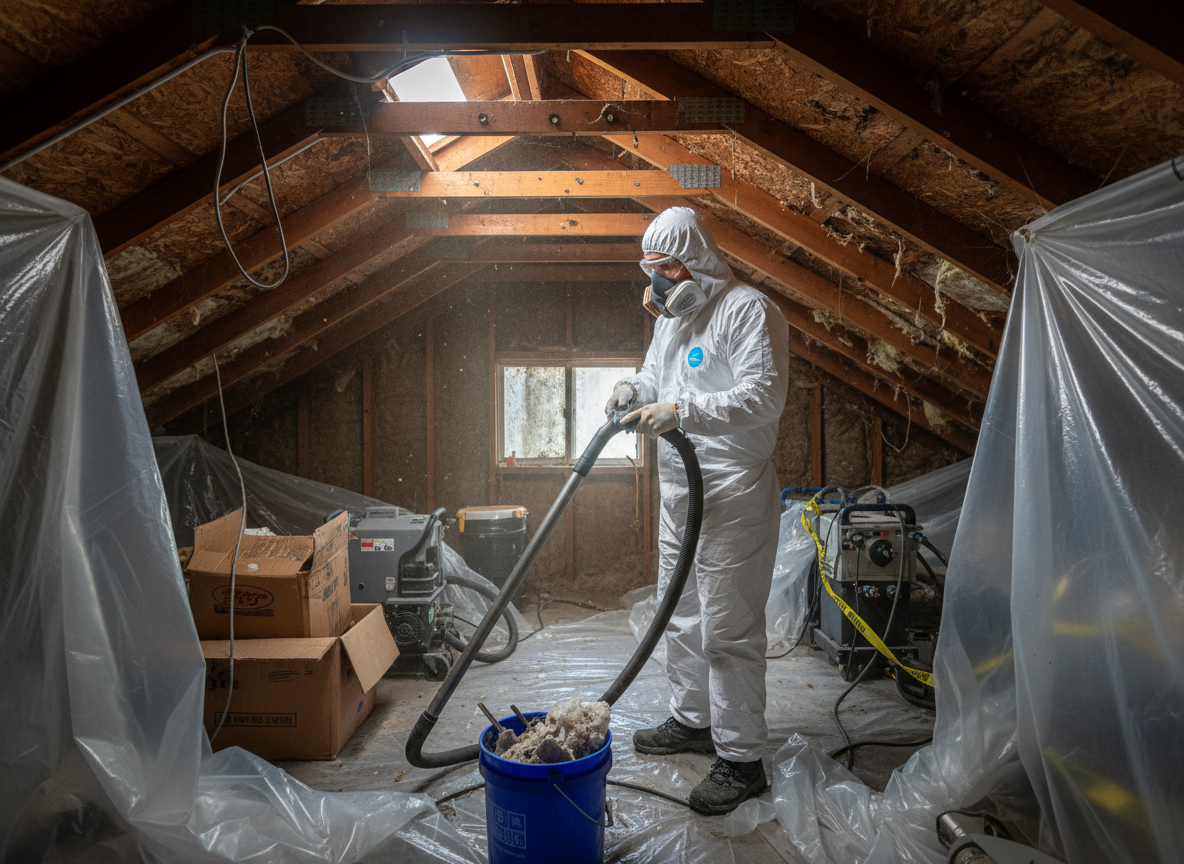
Remediation here requires isolating the attic, removing affected insulation and sheathing, and treating rafters and plywood with EPA-registered antimicrobials while protecting the living areas below. The San Elijo Lagoon and nearby coastal rail trail create microclimates with higher humidity that keeps attics damp longer than inland San Diego spots, so drying times must account for ocean influence rather than standard inland protocols. Technicians also check for hidden leaks at plumbing vents and skylights common in Solana Beach construction from the 1970s and 1980s.
After removal, negative air machines and dehumidifiers run until moisture readings drop below 12 percent on wood surfaces. Homeowners in Encinitas and Del Mar borders often request post-remediation air sampling to confirm clearance before insulation replacement. Access challenges in tight crawl spaces above garages or low-slope roofs near Carlsbad Road demand specialized ladders and containment setups that differ from inland jobs.
Common Triggers in Coastal Attics
Ocean-driven humidity combined with aging roof underlayment in Solana Highlands homes creates persistent condensation on sheathing even without active leaks. Checking for past storm damage near the Solana Beach Coastal Rail Trail helps identify entry points before mold returns.
Technician insight
In Solana Beach, the thing that catches most people out with attic mold remediation is how the constant marine layer keeps plywood damp for weeks after a small roof leak near Lomas Santa Fe or Solana Highlands. Homeowners assume once the roof is fixed the problem dries on its own, but the ocean air and older vent designs in these 1970s homes let humidity linger and regrow mold fast.
Hidden Growth Above Solana Highlands Home
A homeowner near Solana Highlands noticed musty smells in upstairs bedrooms after winter marine layer fog. Inspection found saturated insulation and mold on rafters from a slow vent leak. Crew isolated the attic, removed affected materials, treated surfaces, and ran drying equipment until readings cleared. Odors disappeared and air quality returned to normal.
How it works
- 1
Initial Inspection and Moisture Mapping
Technicians assess attic access points, test wood moisture levels, and identify affected insulation zones in homes near Lomas Santa Fe Drive.
- 2
Containment and Air Filtration Setup
Plastic barriers and negative air machines isolate the attic from living areas to prevent spore migration into Solana Beach residences.
- 3
Removal of Contaminated Materials
Affected insulation, drywall, and wood are carefully extracted and bagged for disposal while treating remaining surfaces.
- 4
Antimicrobial Treatment and Drying
EPA-registered products are applied followed by dehumidification until moisture readings meet clearance standards.
- 5
Final Clearance and Documentation
Post-treatment inspection confirms mold levels are controlled and homeowners receive a written report for insurance or resale needs.
Pricing
Cost depends on attic size, extent of hidden growth, and access difficulty in older Solana Beach homes; upfront quotes provided after inspection.