2026-10-15 ·
Winter Rain And Flood Risks Near San Elijo Lagoon
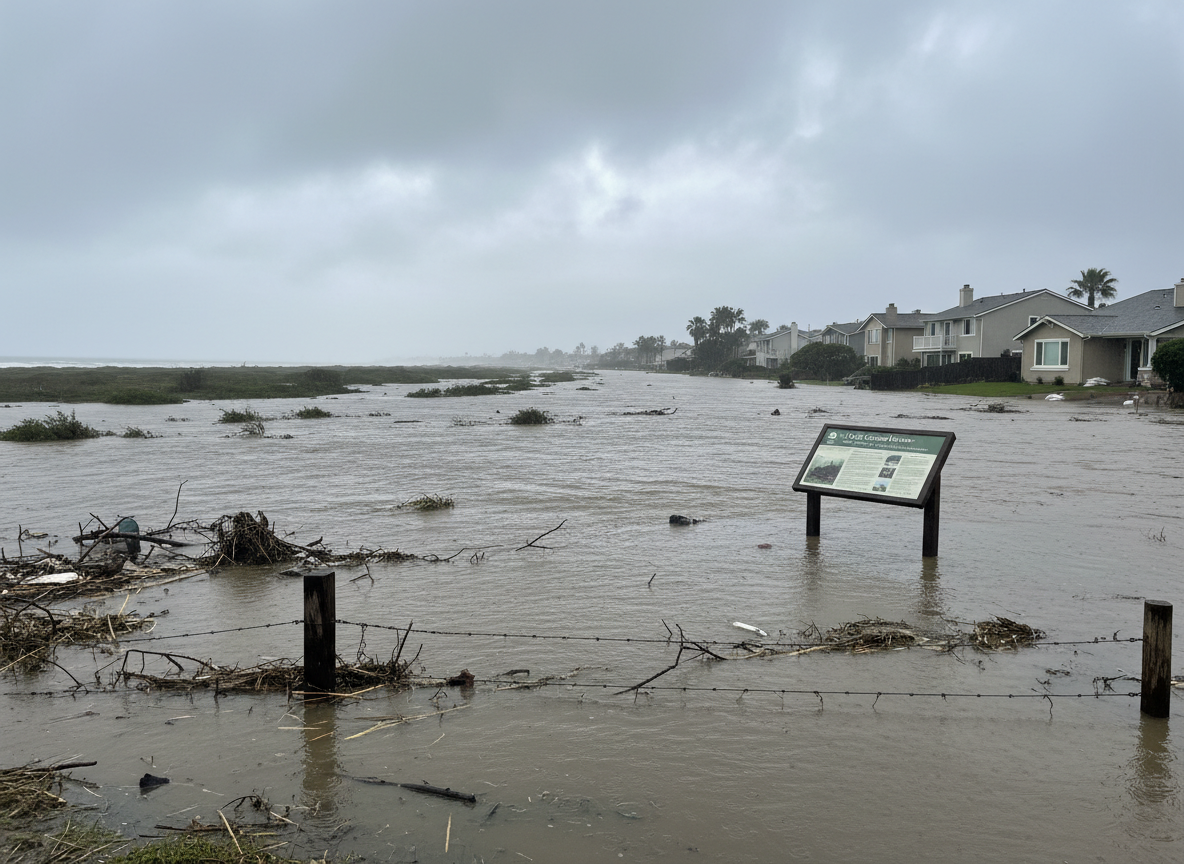
Winter rains near San Elijo Lagoon can push water levels high enough to flood yards and crawl spaces in Solana Beach within 4 to 6 hours of sustained downpours, particularly when storms track through San Diego County after the first major front of the season.
Local Winter Rainfall Patterns
Solana Beach receives most of its annual rainfall between November and March under the mild coastal Mediterranean climate shaped by ocean influence. Storms often deliver 1.5 to 3 inches in a single event, with totals climbing higher when systems stall over the coast. Runoff from higher ground in Solana Highlands and Lomas Santa Fe funnels toward the lagoon, saturating soils that already hold moisture from prior showers. Properties along the Solana Beach Coastal Rail Trail see water sheet across trails and into adjacent lots when drainage ditches fill. These patterns differ from inland San Diego areas because the ocean moderates temperatures yet keeps humidity elevated, slowing evaporation after each event.
Flood Behavior Around San Elijo Lagoon
San Elijo Lagoon acts as a natural basin that backs up when winter inflows exceed tidal outflow. Water spreads across low berms into Lomas Santa Fe streets and yards near 911 Lomas Santa Fe Dr when rainfall exceeds 2 inches in 24 hours. Terrain slopes from Fletcher Cove Park eastward create sheet flow that carries sediment into homes built on older pads. Encinitas and Del Mar residents on the opposite shore face similar backwater effects, but Solana Beach properties closest to the lagoon edge experience the fastest rise times. Older housing stock in Downtown Solana Beach, with shallower foundations, allows water to reach subfloor framing before pumps can be staged.
Neighborhood Impacts in Solana Beach
Homes in Lomas Santa Fe sit on lots where lagoon-adjacent grading directs winter flow toward rear yards and crawl spaces. Solana Highlands sees water pond against retaining walls when storm drains on Lomas Santa Fe Drive reach capacity. Carlsbad and Cardiff by the Sea experience secondary effects when lagoon water pushes north, but Solana Beach absorbs the initial surge. Concrete slabs common in post-1970 builds resist initial wetting yet crack when prolonged saturation undermines perimeter footings. Residents notice musty odors within 48 hours if standing water remains against stucco walls.
Preparation Steps Before Storms Arrive
Clear debris from gutters and downspouts along the Solana Beach Coastal Rail Trail corridor at least twice each fall. Elevate stored items in crawl spaces by 6 to 8 inches using plastic pallets in Lomas Santa Fe homes. Install check valves on sewer lines where older plumbing ties into municipal mains near the lagoon. Monitor National Weather Service forecasts for 24-hour rainfall totals above 1.5 inches and stage tarps and shop vacs accordingly. Properties in Downtown Solana Beach benefit from pre-season checks of French drains that route water away from foundations toward the lagoon.
After water enters a structure, flood restoration services address extraction and drying before mold sets in. Readers tracking expenses can review average cost factors for water extraction in Solana Beach. Steps to limit growth after saturation appear in mold prevention steps after heavy rainfall. Service extends to Encinitas when lagoon water crosses city lines. The team operates 24/7 from 911 Lomas Santa Fe Dr, Solana Beach, CA 92075 to respond when winter fronts stall over the coast.